American Pied Oystercatcher Panama

American Oystercatcher Facts Diet Habitat Pictures On Animalia Bio
animalia.bio

Bird Diary
monacoeye.com

Finschi Images Stock Photos Vectors Shutterstock
www.shutterstock.com
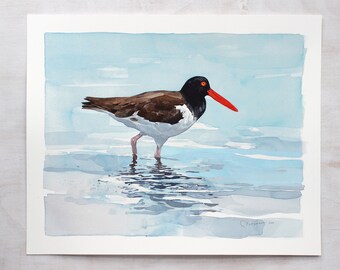
Oystercatcher Art Etsy
www.etsy.com

Charadriiformes Families
birdsofseabrook.app.clemson.edu
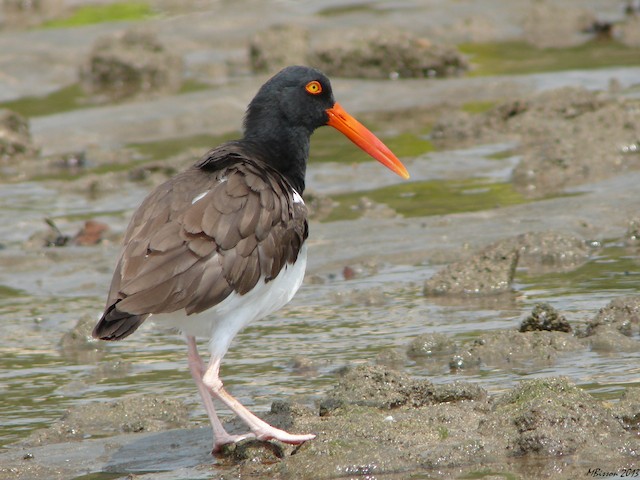
American Oystercatcher Ebird
ebird.org
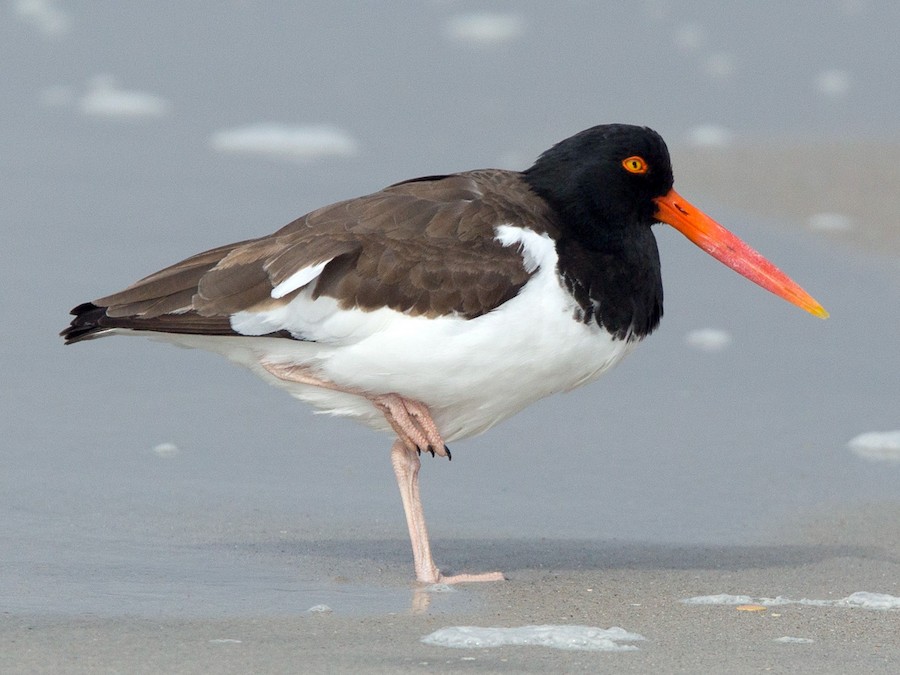
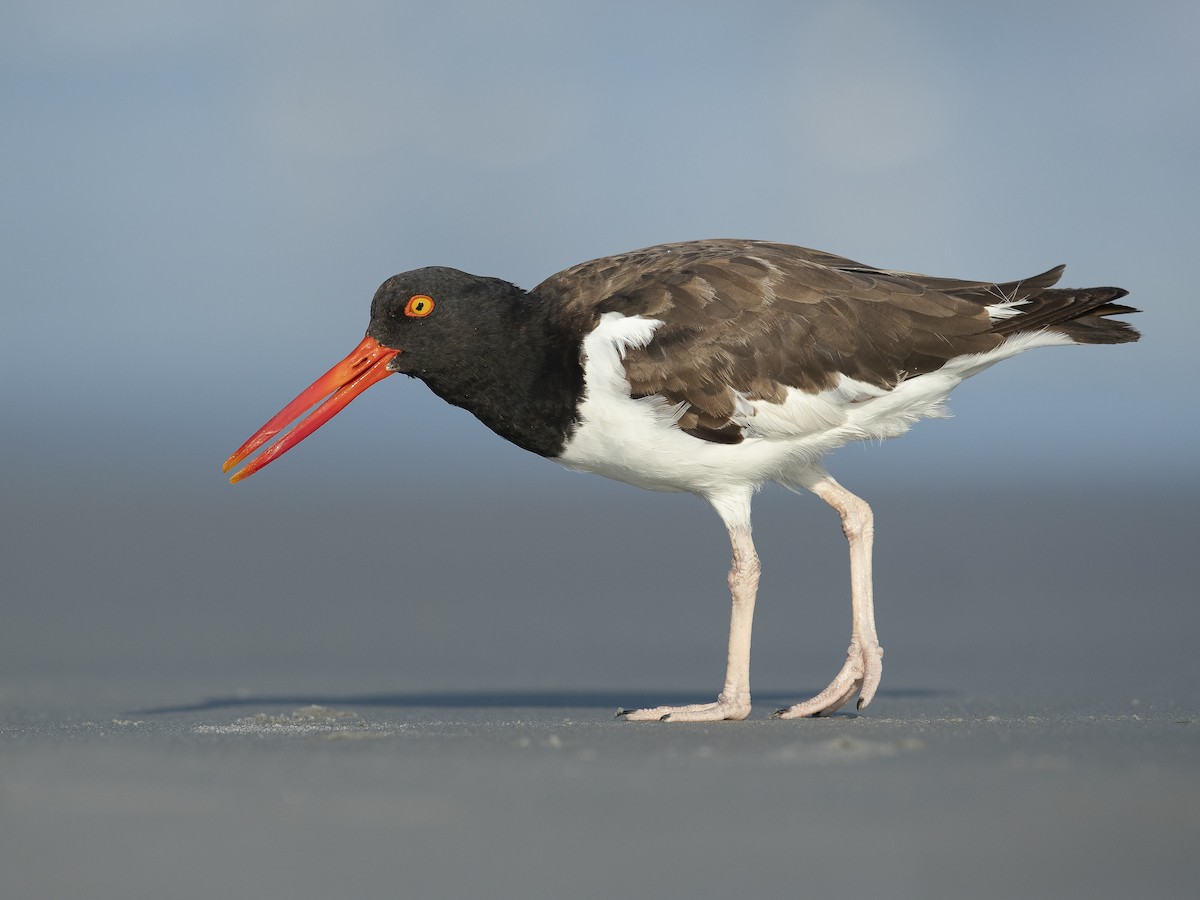
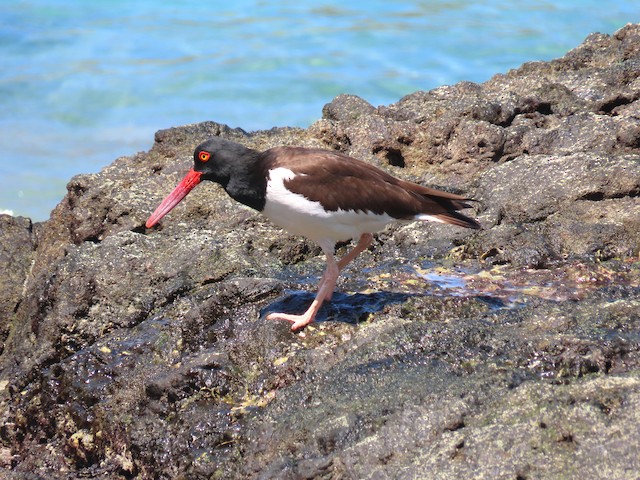
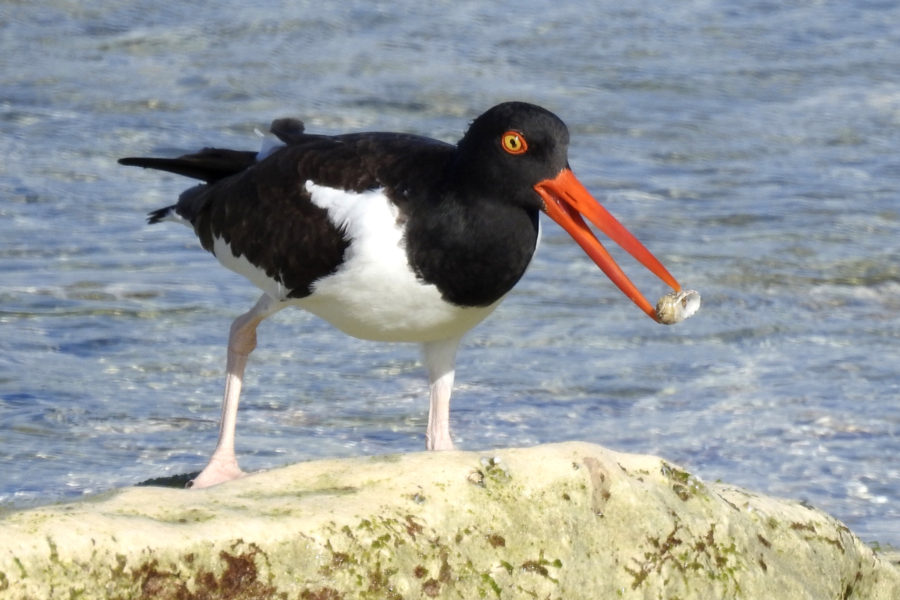
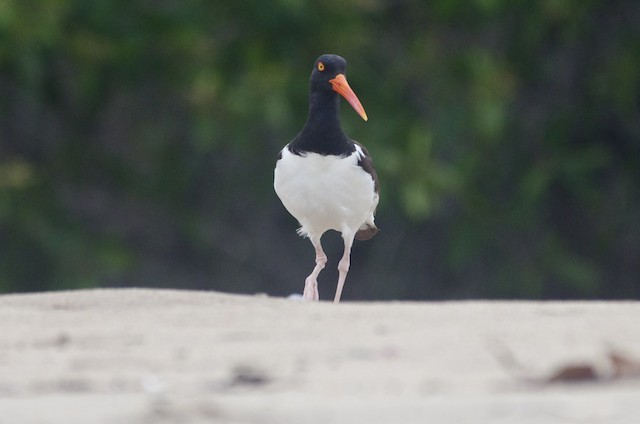
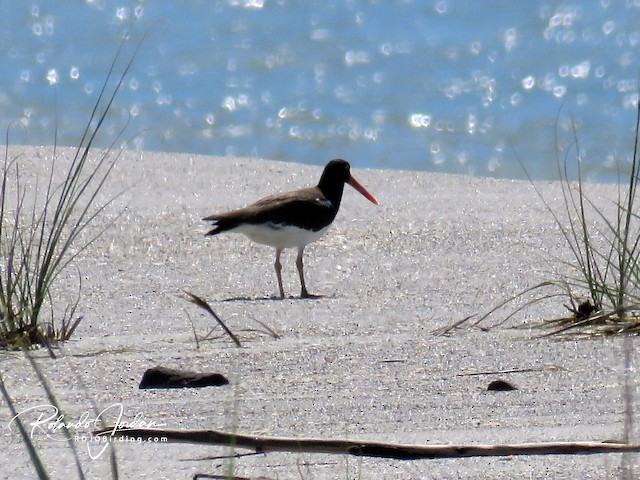
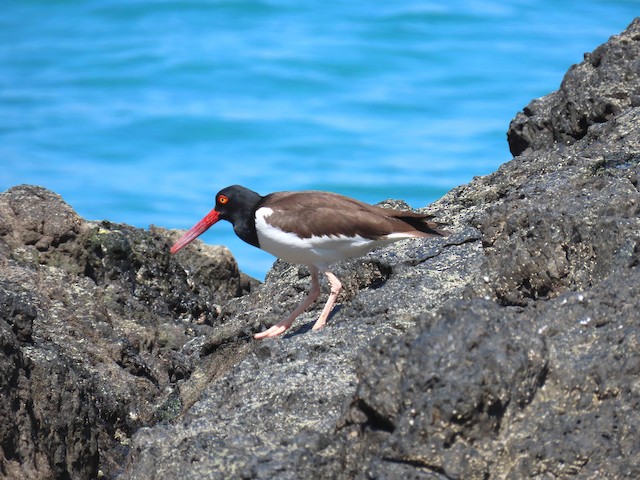
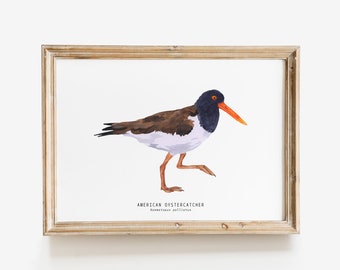
Description the bird is uniquely marked by its black and white body and a long thick orange beak.

American pied oystercatcher panama. Numbers declined seriously in 19th century then recovered well in 20th century. The american oystercatcherhaematopus palliatus is a common sight on rocky and sandy beaches and saltwater lagoons on galapagos. It has a bright red bill which it uses as an oyster shell opener.
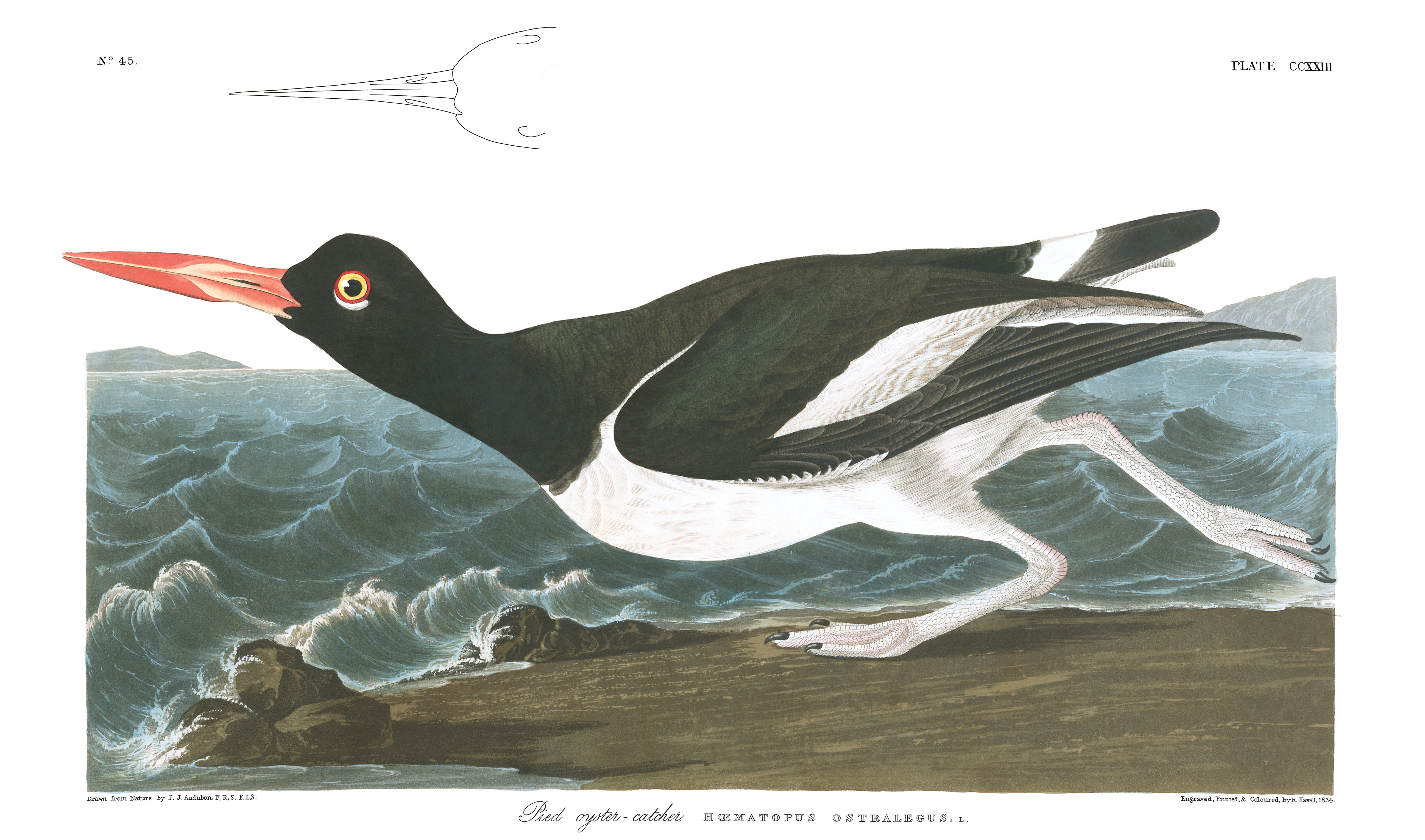
Pied oyster catcher become an audubon member membership benefits include one year of audubon magazine and the latest on birds and their habitats. The pied oystercatcher is black with a white breast and belly. The american oystercatcher haematopus palliatus occasionally called the american pied oystercatcher is a member of family haematopodidae.
The bird is marked by its black and white body and a long thick orange beak. A very large unmistakable shorebird of atlantic and gulf coast beaches. Your support helps secure a future for birds at risk.
All oystercatchers have a bright orange red bill eye rings and legs and a red eye. Yarrell in 1843 established this as the preferred term replacing the older name sea pie or sea pie. Young birds are similar in appearance to the adults but lack the intense red orange colours and are brown rather than black.
The american oystercatcher has black and white plumage the top part of its body and its wings are black the underparts white. Can be seen in 45 countries. Originally called the sea pie it was renamed in 1731 when naturalist mark catesby observed the bird eating oysters.
The current population of american oystercatchers is estimated to be 43000. Finschi martens 1897 pied oystercatcher h. Chathamensis haematopus ostralegus chathamensis hartert 1927 magellanic oystercatcher h.
Solitary or in family groups in summer american oystercatchers may gather in large flocks in winter. South island pied oystercatcher h. There are estimated to be 1500 breeding pairs along the atlantic and gulf coasts of the us.
Breeding in south america middle america north america. Palliatus described as eating oysters. Can be seen in 3 countries.
Palliatus temminck 1820 h. Leucopodus garnot 1826 american oystercatcher h. The genus name haematopus comes from the greek haima aima blood pous poys foot.
The american oystercatcher occasionally called the american pied oystercatcher is a member of family haematopodidae.

International Bird Rescue Every Bird Matters Photographers In Focus
blog.bird-rescue.org

American Oystercatcher Facts Diet Habitat Pictures On Animalia Bio
animalia.bio

Shutterstock Puzzlepix
shutterstock.puzzlepix.hu

South America Membership Birdseye Nature Apps
www.birdseyebirding.com

New Zealand Birding Tour Birdwatching Blue Sky Wildlife
www.blueskywildlife.com
Http Amoywg Org Wp Content Uploads 2014 09 Clay Et Al 2014 Global Status American Oystercatcher Pdf
American Oystercatcher Ebird
ebird.org

Panama Trip Report April 2017 10 000 Birds
www.10000birds.com

Shutterstock Puzzlepix
shutterstock.puzzlepix.hu

Birds Of Central America A Field Guide Review 10 000 Birds
www.10000birds.com

American Oystercatcher The Birds Of Abaco
abacobirds.com

Shutterstock Puzzlepix
shutterstock.puzzlepix.hu
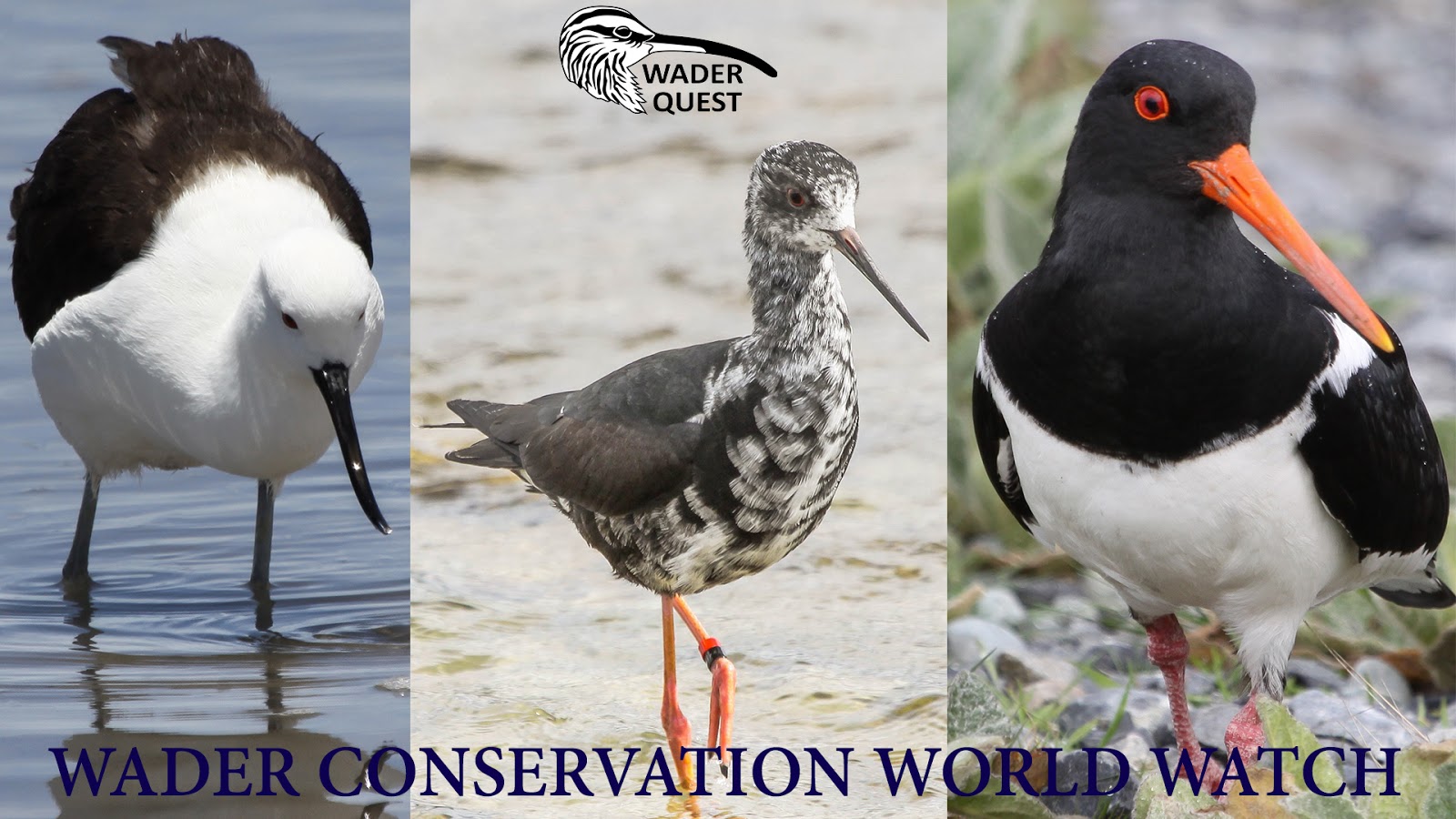
Wader Quest Wader Conservation World Watch
www.waderquest.org

Playa Bonita 01 05 19 Panama Pipeline Bird Tours
panamapipelinebirdtours.com

Charadriiformes Families
birdsofseabrook.app.clemson.edu
Http Amoywg Org Wp Content Uploads 2014 09 Clay Et Al 2014 Global Status American Oystercatcher Pdf

American Oystercatcher Facts Diet Habitat Pictures On Animalia Bio
animalia.bio

Birds Of The Falkland Islands Pied Oystercatcher Haematopus Leucopodus
www.falklands.net

How Many Birds Are In North America Bird Species In North America
www.notesfromtheroad.com
American Oystercatcher Ebird
ebird.org

Two American Oystercatcher Haematopus Palliatus On The Pacific Coast At Punta Chame Republic Of Panama Stock Photo 211105953 Alamy
www.alamy.com

Shutterstock Puzzlepix
shutterstock.puzzlepix.hu

Birds Of Central America A Field Guide Review 10 000 Birds
www.10000birds.com

Two American Oystercatcher Haematopus Palliatus On The Pacific Coast At Punta Chame Republic Of Panama Stock Photo 211105953 Alamy
www.alamy.com

10 Best Oystercatchers Images List Of Birds Birds Species
www.pinterest.com

Newsflare Australian Birds Enjoy Eating Their Toast For Breakfast
www.newsflare.com

Charadriiformes Avian Hybrids
avianhybrids.wordpress.com

American Oystercatcher Facts Diet Habitat Pictures On Animalia Bio
animalia.bio

The Maria Island Walk Australian Wildlife Journeys
australianwildlifejourneys.com
Http Amoywg Org Wp Content Uploads 2014 09 Clay Et Al 2014 Global Status American Oystercatcher Pdf

American Oystercatcher Haematopus Palliatus Peru Aves
www.peruaves.org
Https Sfport Com Ftp Uploadedfiles About Us Divisions Planning Development Southern Waterfront 100birds Of Heronsheadpark Pdf
American Oystercatcher Ebird
ebird.org

Two American Oystercatcher Haematopus Palliatus On The Pacific Coast At Punta Chame Republic Of Panama Stock Photo 211105953 Alamy
www.alamy.com

American Oystercatcher Facts Diet Habitat Pictures On Animalia Bio
animalia.bio

Torea Tour New Zealand New Zealand Consists Of 2 Main Islands Marked By Volcanoes And Glaciation Bird Watchers Enjoy Unique C Bird Species Pet Birds Birds
www.pinterest.fr
Https Www Waderquest Net Wp Content Uploads 2019 05 4 Wcww5 Special 2018r Pdf

Playa Bonita 01 05 19 Panama Pipeline Bird Tours
panamapipelinebirdtours.com

American Oystercatcher Facts Diet Habitat Pictures On Animalia Bio
animalia.bio

Pied Oystercatcher High Quality Animal Stock Photos Creative Market
creativemarket.com

American Oystercatcher Haematopus Palliatus 19077237 Framed Prints
www.mediastorehouse.com

Shutterstock Puzzlepix
shutterstock.puzzlepix.hu

Pied Oyster Catcher John James Audubon S Birds Of America
www.audubon.org

Oystercatcher Sea Beach Bird Beach Beach Pictures Netherlands
www.pinterest.at

Panama Birding Canopy Tower
www.birdzilla.com

American Oystercatcher Or American Pied Oystercatcher Haematopus Palliatus Sanibel Island Florida United States North America Stock Photograph Iblcht03266076 Fotosearch
www.fotosearch.com
Https Www Jstor Org Stable Pdf 40168300 Pdf
American Oystercatcher Haematopus Palliatus Bachas Stock Photo
www.robertharding.com

American Oystercatcher Facts Diet Habitat Pictures On Animalia Bio
animalia.bio

John Kormendy Texas Birds
chandra.as.utexas.edu
Https Www Waderquest Net Wp Content Uploads 2019 05 4 Wcww5 Special 2018r Pdf
Http Amoywg Org Wp Content Uploads 2014 09 Clay Et Al 2014 Global Status American Oystercatcher Pdf
Http Amoywg Org Wp Content Uploads 2014 09 Clay Et Al 2014 Global Status American Oystercatcher Pdf

Oyster Catcher Photo By Photographer Roger Stelfox World Birds Pet Birds Oysters
www.pinterest.com
2

Pied Oystercatcher High Quality Animal Stock Photos Creative Market
creativemarket.com
News Page 4 Birdscaribbean
www.birdscaribbean.org

List Of Birds Of Panama Wikipedia
en.wikipedia.org

Common Shorebirds And Their Traits
www.thespruce.com
Https Researchcommons Waikato Ac Nz Bitstream Handle 10289 13647 Thesis Pdf Sequence 4 Isallowed Y

List Of Birds Of Panama Wikipedia
en.wikipedia.org
American Oystercatcher Ebird
ebird.org
Pied Oystercatcher High Quality Animal Stock Photos Creative Market
creativemarket.com

Playa Bonita 01 05 19 Panama Pipeline Bird Tours
panamapipelinebirdtours.com

American Oystercatcher Or American Pied Oystercatcher Haematopus Palliatus Sanibel Island Florida United States Stock Photo Alamy
www.alamy.com

A Pair Of American Oystercatchers Haematopus Palliatus On The Beach Stock Photo Alamy
www.alamy.com

Charadriiformes Avian Hybrids
avianhybrids.wordpress.com

in.pinterest.com

Jan Axel S Blog Birding The Pearl Islands Seabird Colonies And Huge Beasts
janbirdingblog.blogspot.com

Pied Oystercatcher High Quality Animal Stock Photos Creative Market
creativemarket.com
American Oystercatcher Ebird
ebird.org

Birding In South Africa Tour Western Cape Blue Sky Wildlife
www.blueskywildlife.com

Newsflare A Lovely Australian Pied Oystercatcher Hunting Amongst Stranded Seagrass
www.newsflare.com

Playa Bonita 01 05 19 Panama Pipeline Bird Tours
panamapipelinebirdtours.com

Choosing Plants To Entice Birds And Butterflies To Your Yard South African Birds Animals Beautiful Birds
www.pinterest.de

35 951 Bird Native Photos Free Royalty Free Stock Photos From Dreamstime
www.dreamstime.com

Two American Oystercatcher Haematopus Palliatus On The Pacific Coast At Punta Chame Republic Of Panama Stock Photo 211105953 Alamy
www.alamy.com

Top Green Life Buzz Victory Garden Planting Trees Content For August 2020
www.greenlifebuzz.com
American Oystercatcher Ebird
ebird.org

Shorebird Gifts Merchandise Redbubble
www.redbubble.com

List Of Birds Of North America Wikipedia
en.wikipedia.org

Panama Birds Noting Those Found During Focus On Nature Tours
focusonnature.com

American Oystercatcher Gpedia Your Encyclopedia
www.gpedia.com

American Oystercatcher Or American Pied Oystercatcher Haematopus Palliatus Sanibel Island Florida United States Stock Photo Alamy
www.alamy.com

Top Green Life Buzz Reduced Chemical Green Content For July 2020
www.greenlifebuzz.com

Charadriiformes Families
birdsofseabrook.app.clemson.edu

John Kormendy Texas Birds
chandra.as.utexas.edu

Two American Oystercatcher Haematopus Palliatus On The Pacific Coast At Punta Chame Republic Of Panama Stock Photo 211105953 Alamy
www.alamy.com

1 Day Pucusana And Lima Wetlands Birding Tour Birding Ecotours
www.birdingecotours.com
Oystercatcher Art Etsy
www.etsy.com

Pied Oystercatcher High Quality Animal Stock Photos Creative Market
creativemarket.com
Pied Oyster Catcher John James Audubon S Birds Of America
www.audubon.org

Playa Bonita 01 05 19 Panama Pipeline Bird Tours
panamapipelinebirdtours.com

American Oystercatcher Haematopus Palliatus Peru Aves
www.peruaves.org

